 Prince Bandroom, St Kilda, Melbourne – 28 August 2026
There are gigs you go to because you want to see a band, and there are gigs you go to because there are four bands on the bill that you genuinely want to hear. Then, every once in a while, there are nights that remind you why you fell in love with this whole ridiculous thing in the first place. Friday night at the Prince Bandroom was one of those nights.
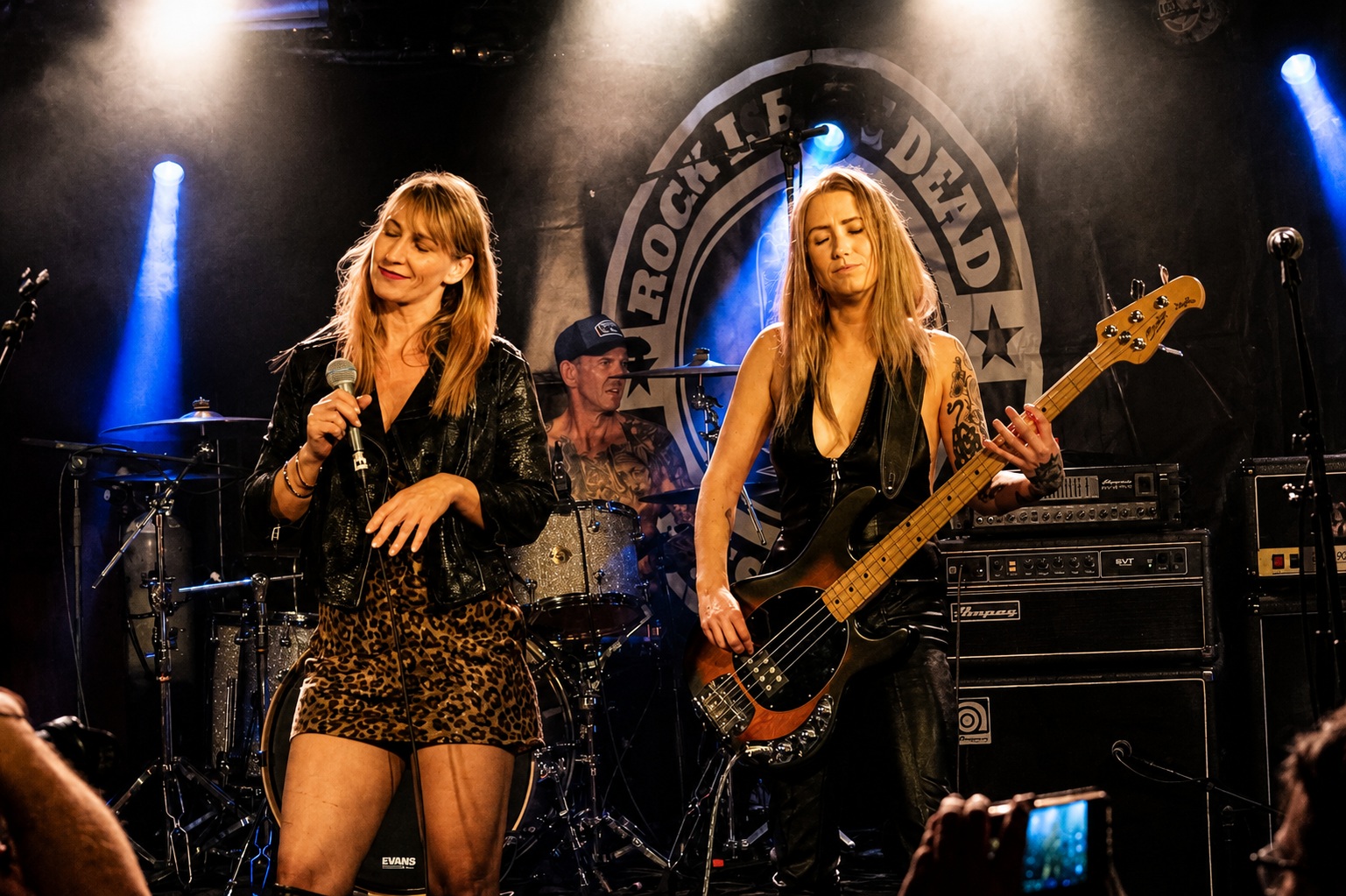
Rock Is Not Dead 3 finally brought the concept to Melbourne after its Queensland shows, with Friday’s ‘Female Fronted Rock’ bill comprising Karly Jewell Band, Empress + Aces, Riff Raiders and Cassidy Paris. That’s what it said on the poster, but in many ways that doesn’t really tell you what the night was about. For me, coming back to Melbourne after far too long away, this one was as much about the people as it was the music.
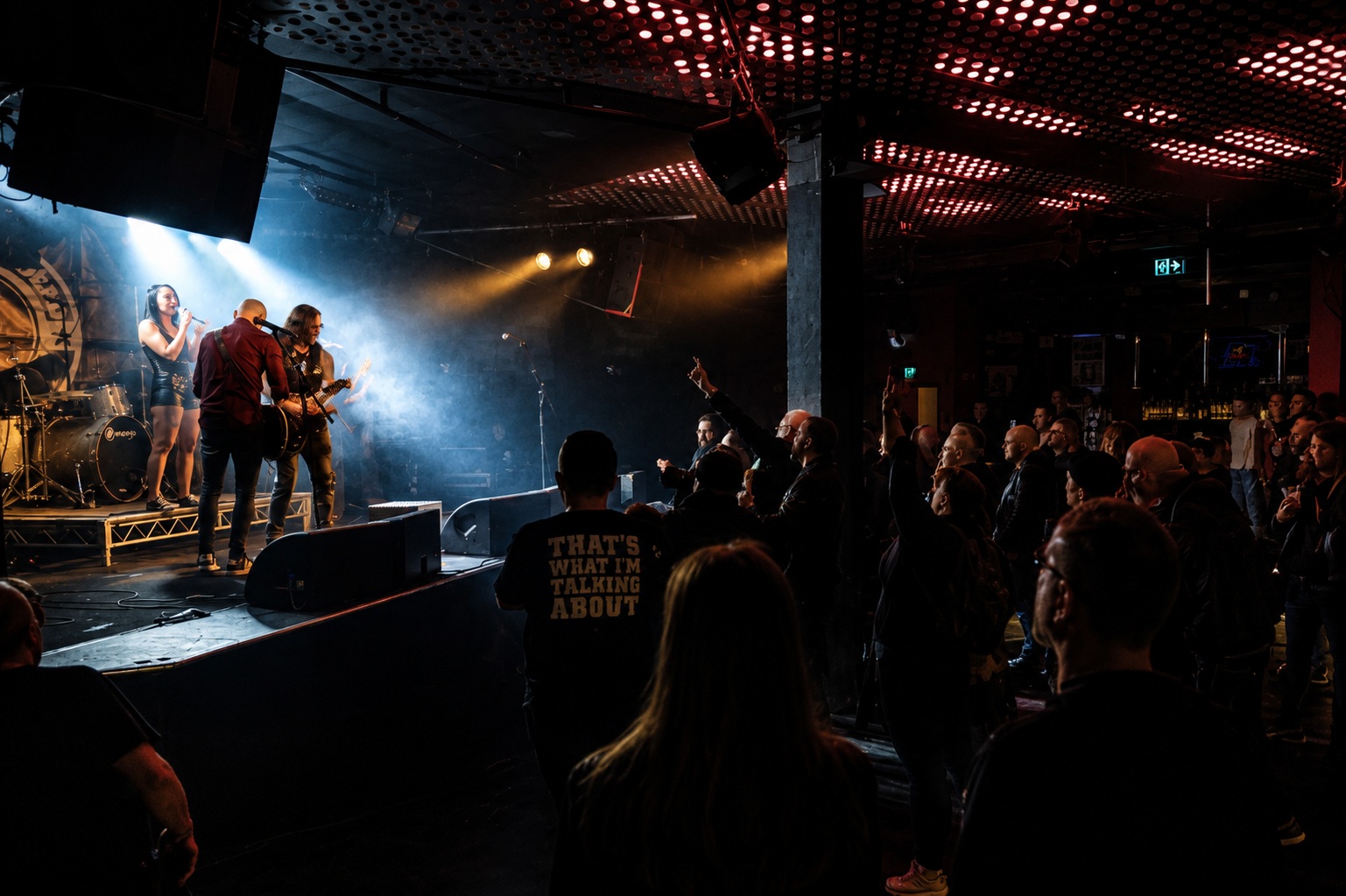
Walking into the Prince Bandroom in St Kilda felt less like arriving at a Festival and more like walking into an enormous family reunion. Everywhere I turned there was another familiar face: people I hadn’t seen in years, people still playing, still promoting, still photographing, still writing, still buying records, still standing down the front and, most importantly, still flying the flag for Australian rock and roll. Then there were all those who had travelled. People had come from interstate simply because they believed in what was happening here. Bands had crossed borders, fans had crossed borders and friends had crossed borders just to be part of it.
That’s the part of Australian Rock that perhaps doesn’t get written about enough. There is a brotherhood and sisterhood within this music that has somehow survived everything thrown at it. Scenes change, venues disappear, radio changes direction and trends come and go. The industry continually announces that guitar music is finished, yet somewhere on a Friday night there are still people loading Marshall cabinets through a back door while someone else is driving eight hours just to stand in front of them. That’s why the name Rock Is Not Dead feels increasingly less like a slogan and more like a statement of fact.
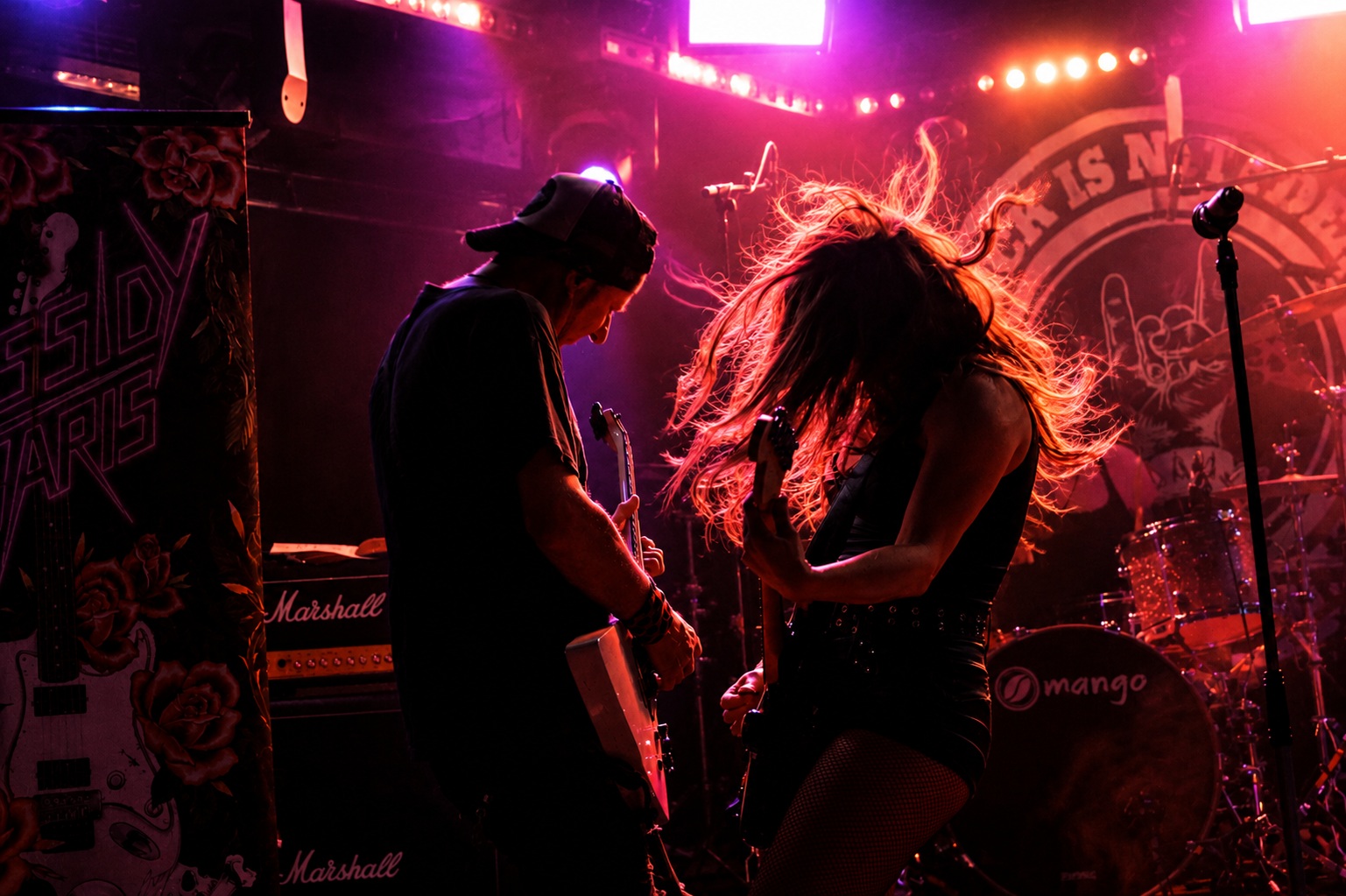
A huge part of that is down to Shane and Dunwell Touring and stage manager Andrew who have things running like clockwork. Bringing an independent rock event like this to Melbourne requires considerably more than booking a room and finding some bands. It requires belief in the artists, belief in the audience and, perhaps most importantly, belief in the idea that if you give Australian rock a stage, people will still turn up. They did. So thank you, Shane, for the concept, for the belief and for putting people together who might otherwise never share a stage, a beer or a conversation.
Friday night also proved something else: Australian rock isn’t one sound. The four bands on this bill all belong beneath the same broad umbrella, but each approaches rock and roll from somewhere completely different, and that variety ended up being one of the night’s greatest strengths.
KARLY JEWELL BAND
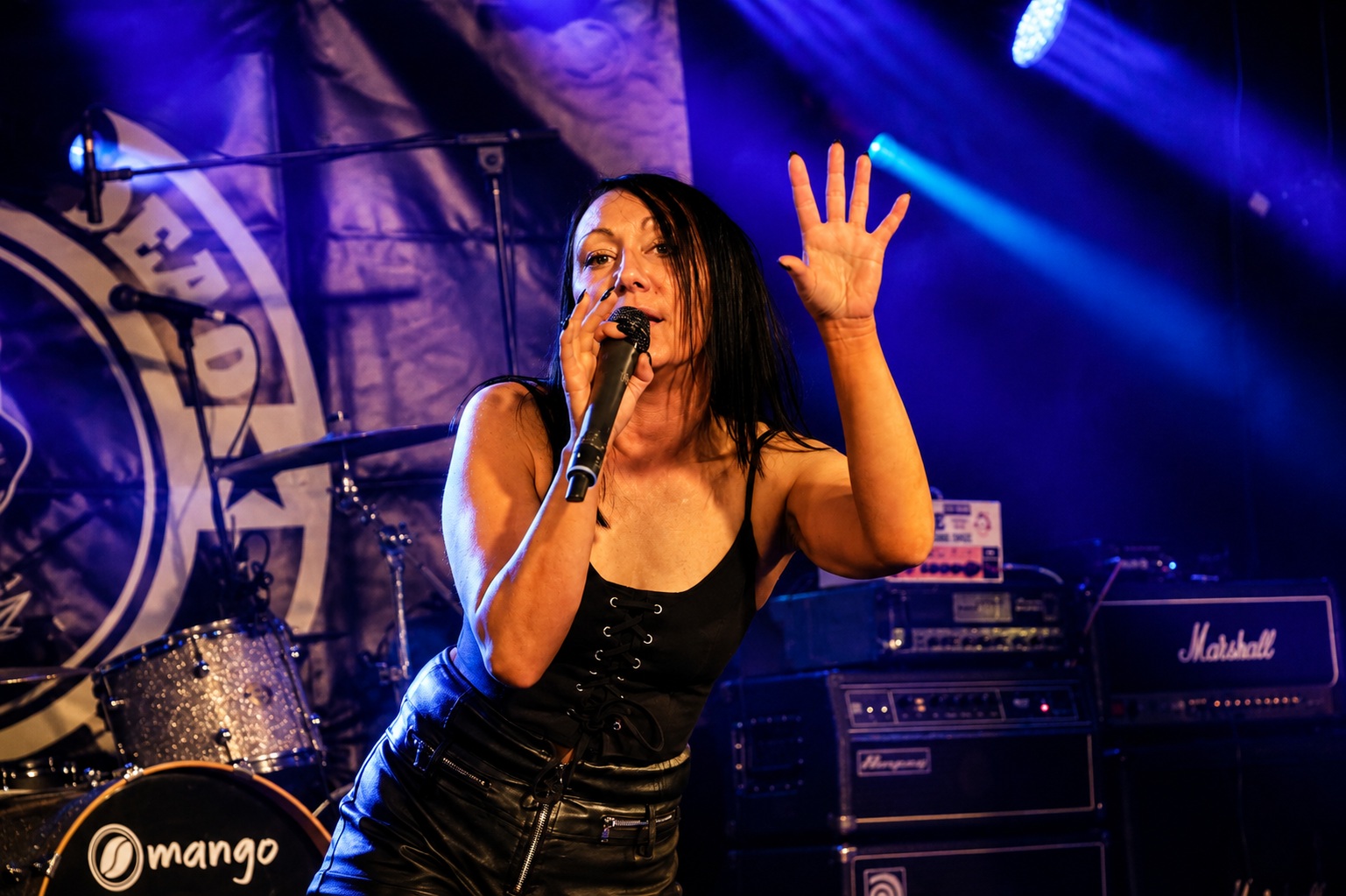
Opening a night like this isn’t necessarily the easiest job. People are arriving, finding friends, getting drinks and settling into the room, and your task is effectively to interrupt all of that and make them look at the stage. Karly Jewell and her band did exactly that.
Jewell brings something wonderfully direct to rock and roll. There’s melody at the heart of it, but also warmth and personality. The songs aren’t trying to bludgeon you into submission; they invite you in. There’s an old-fashioned quality to that, and I mean that entirely as a compliment. Rock music was once allowed to be about songs — choruses you remembered, personalities you connected with and musicians who looked like they were actually enjoying themselves. Karly has that natural connection.
Her album There’s a New Girl in Town made an impact on Australian airplay charts in 2025, and you can understand why. There’s an accessibility to what she does without it ever feeling calculated. She gave the evening its first real injection of energy and, importantly, established immediately that this wasn’t going to be a night featuring four variations on the same band.
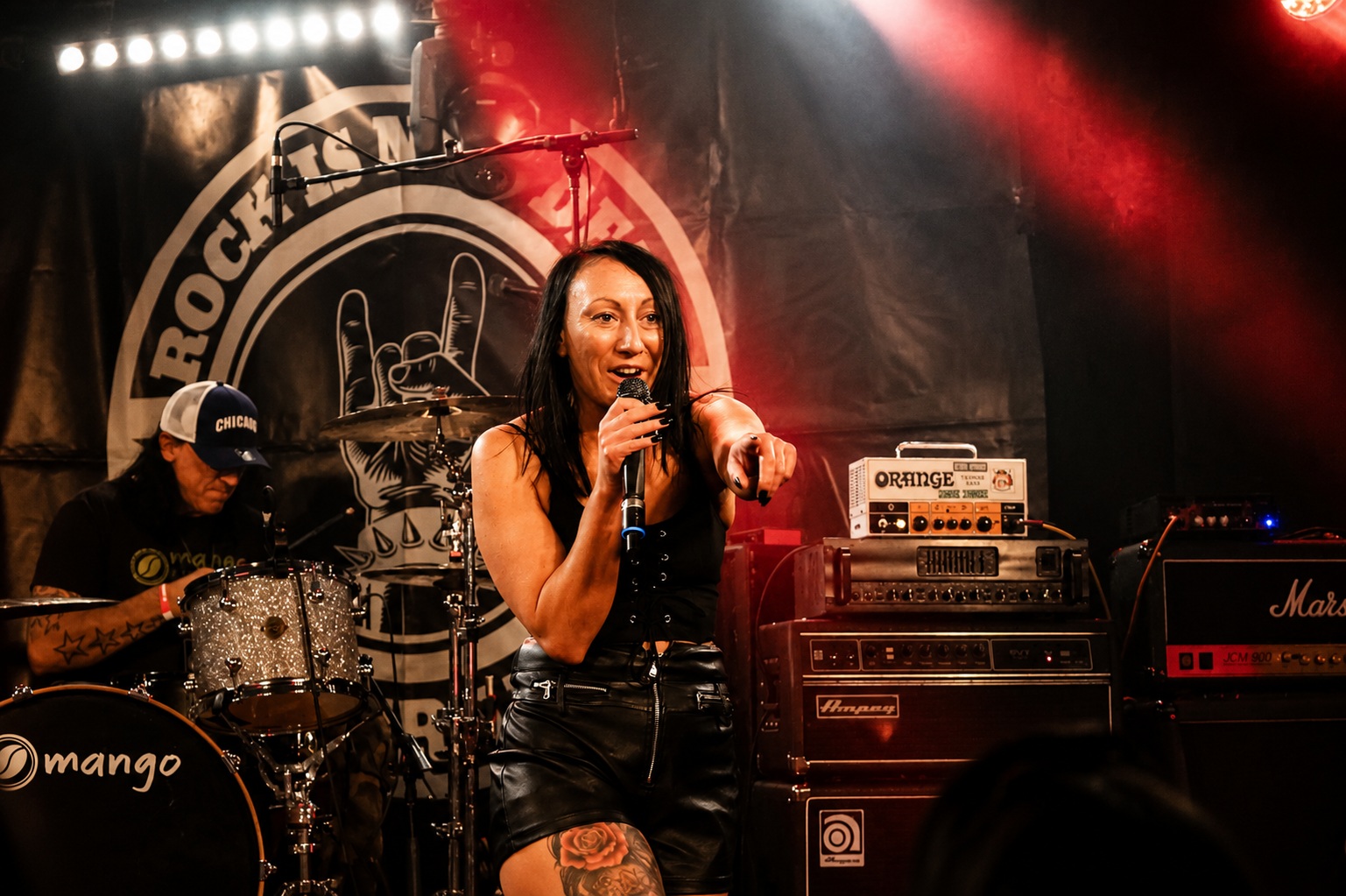
EMPRESS + ACES
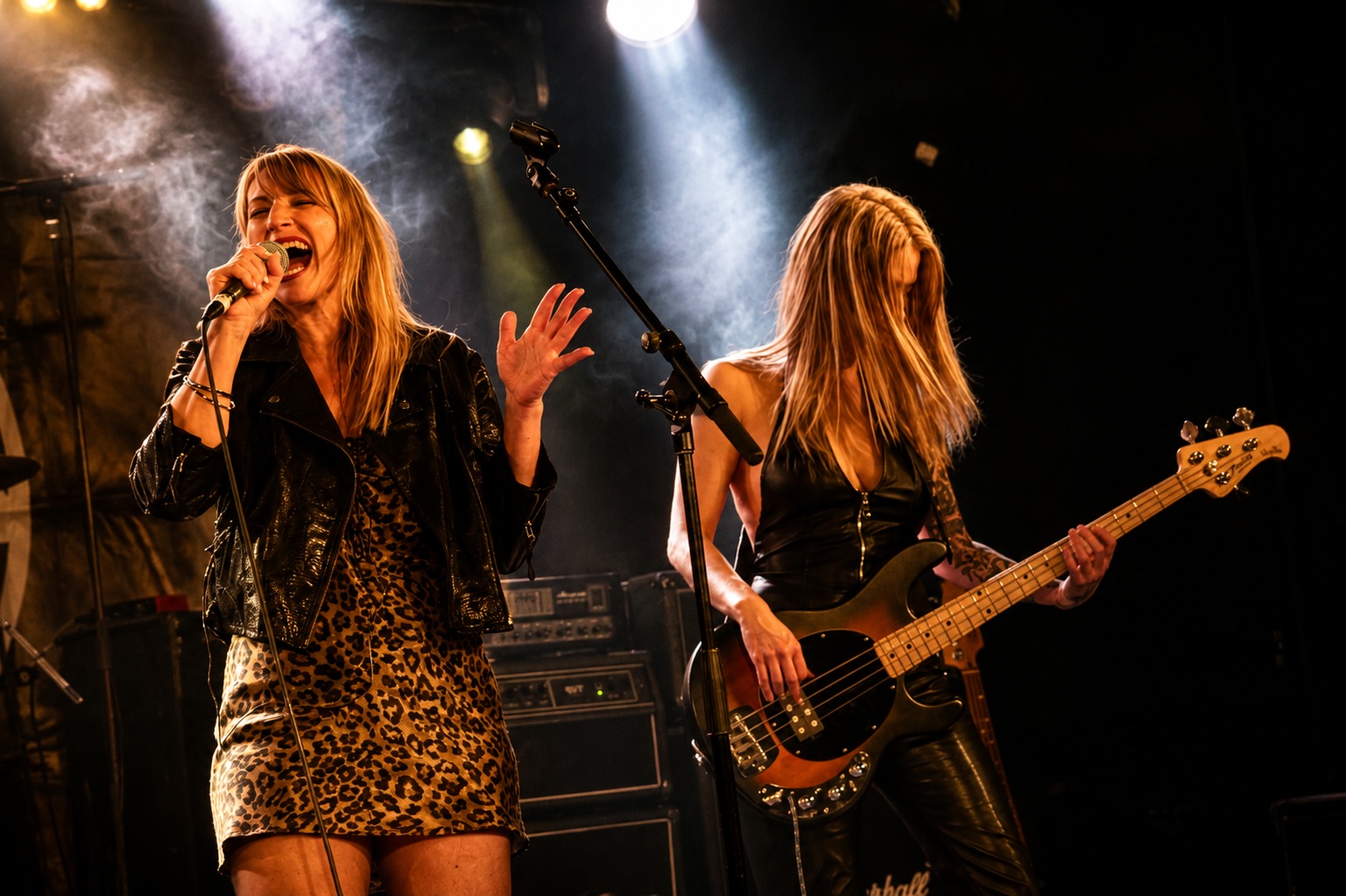
If Karly Jewell brought melody and warmth, Empress + Aces brought another texture entirely. Coming down from Albury, this is a band that understands dynamics. There is weight to the music, but also space. They aren’t frightened of melody and they’re equally unafraid to let the guitars do some serious talking. They arrived with genuine momentum too, having won the CGCM Rock Radio/Rock Is Not Dead Rock Song of the Year with “The Greatest Plan” in 2025.
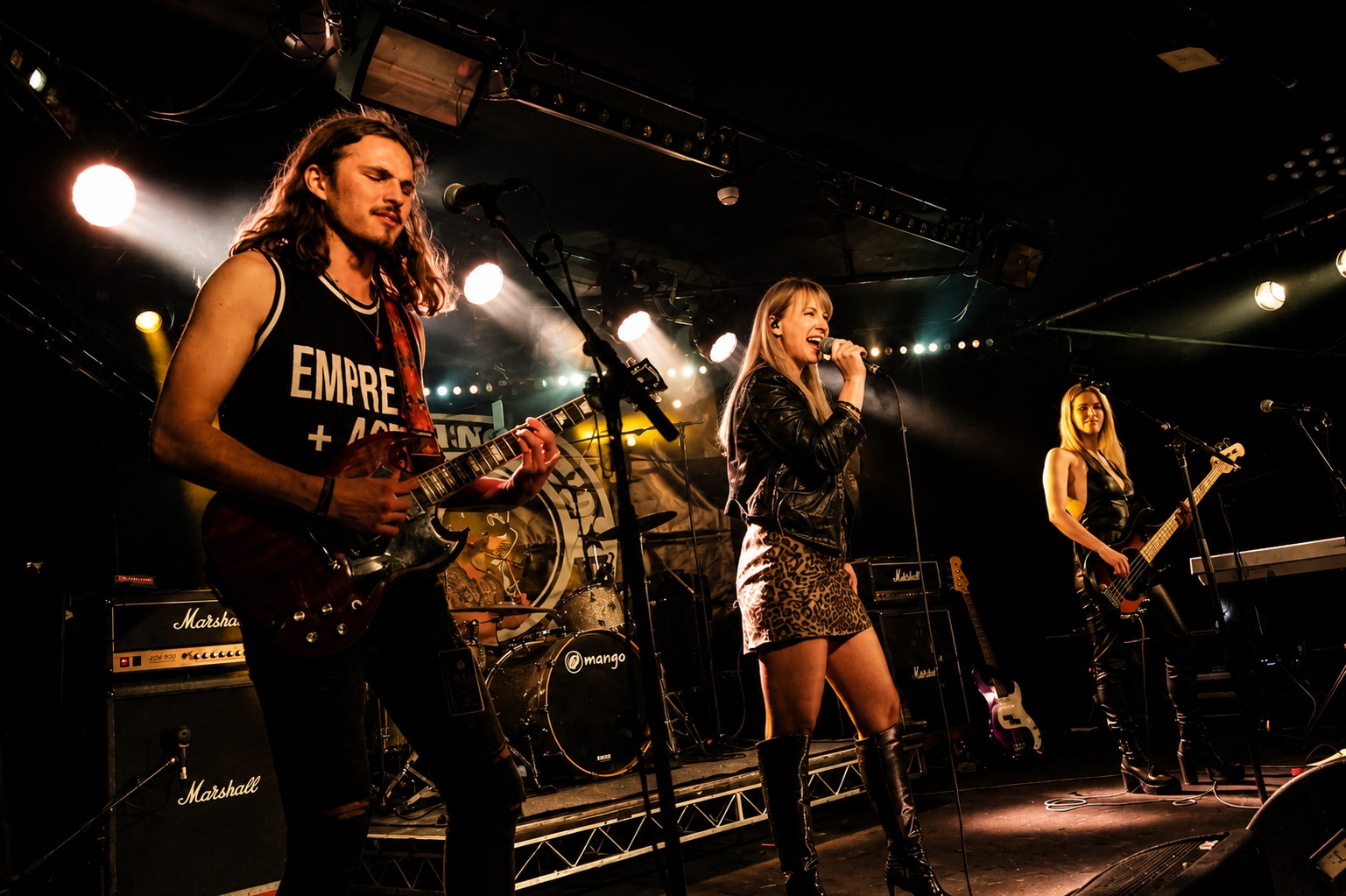
What struck me most live was the balance. Plenty of modern rock bands can produce heaviness and plenty can write melodies, but far fewer manage to put the two together without one compromising the other. Empress + Aces understand that a great vocal melody sounds even bigger when the band underneath it has some muscle. There’s also something refreshingly unforced about them. They’re not trying to cosplay another era of rock music; you can hear where they’ve come from, but they’re interested in where they’re going. On a night celebrating the survival of Australian rock, that mattered.
RIFF RAIDERS
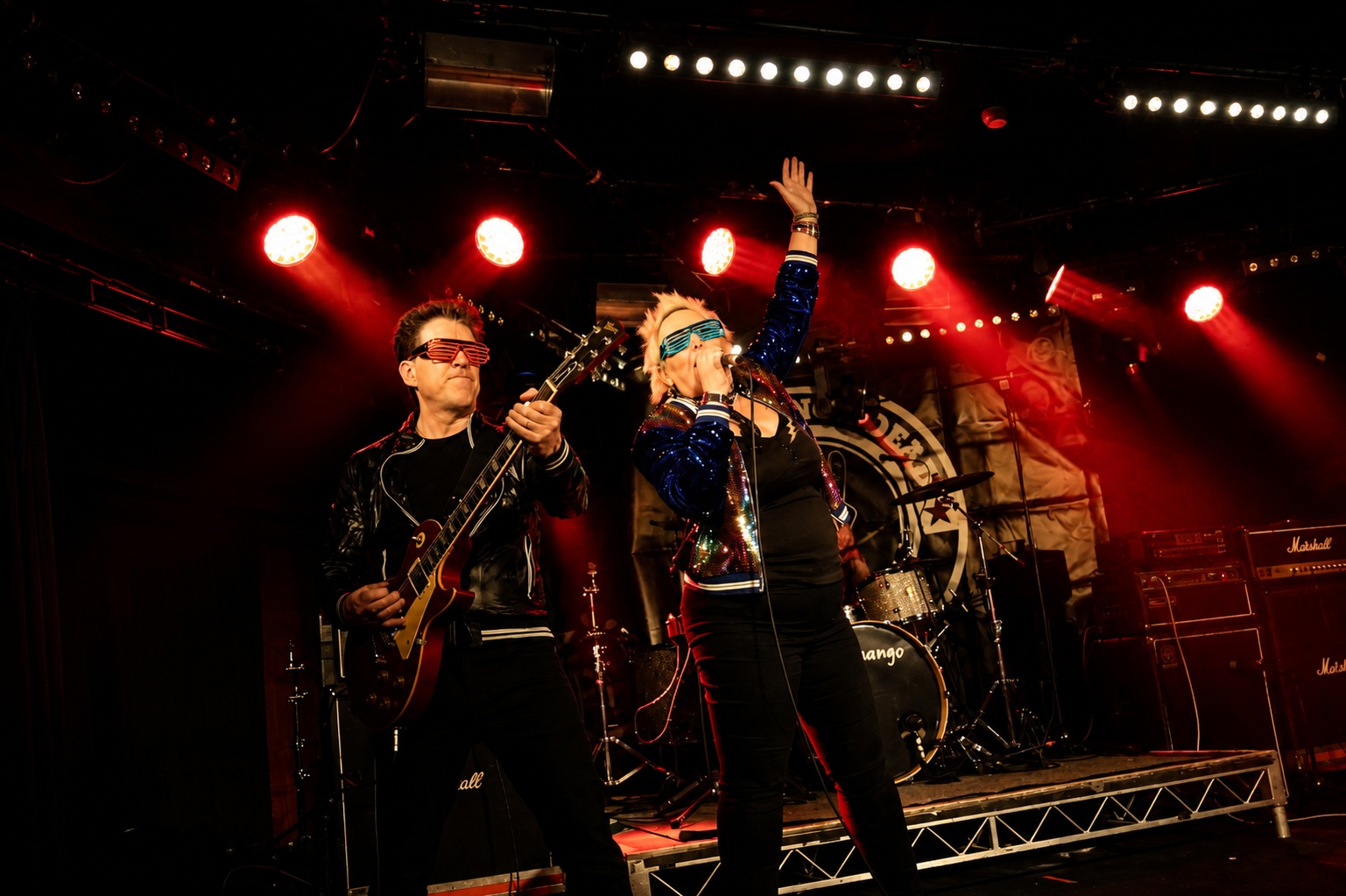
Then came Riff Raiders, and suddenly we were somewhere else again. This was the point where the evening really started smelling of rock and roll. Riff Raiders have been doing this since 2017, and their own description of crunchy guitars, riffs and hooks is pretty much on the money. Friday was also significant because it marked their return to the stage around new album Welcome to Mars.
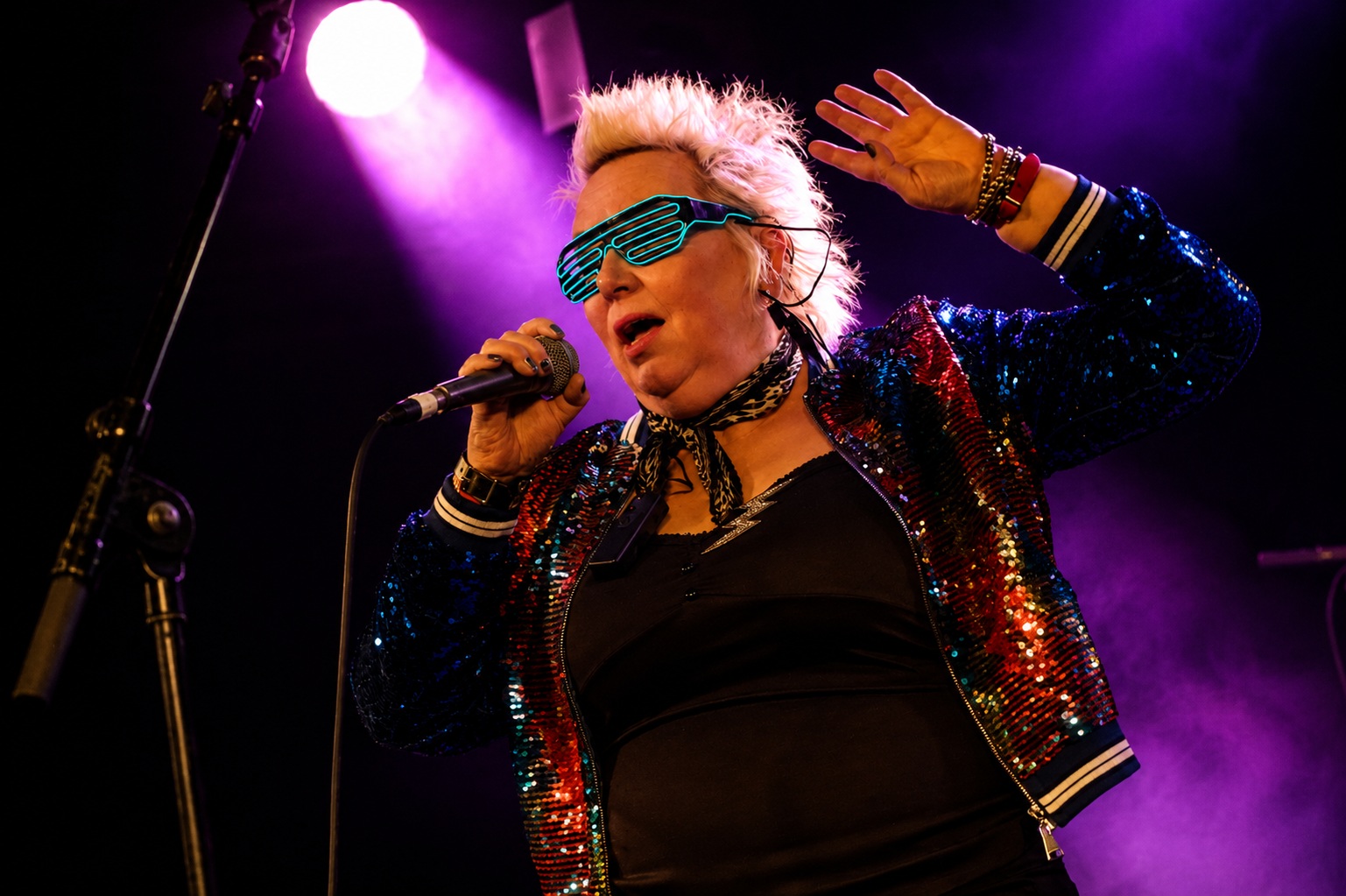
But forget descriptions for a moment because, fundamentally, Riff Raiders are fun, and somewhere along the line rock music became strangely embarrassed about admitting that fun is one of its fundamental ingredients. This is music with dirt underneath its fingernails: big riffs, choruses, movement and that wonderful sense that things might get slightly untidy before the song finishes. There’s classic rock in there, hard rock, pub rock and that peculiarly Australian understanding that sometimes a guitar riff doesn’t need a university degree — it just needs to make your head move.
The strength of Riff Raiders is that they understand their DNA without being trapped by it, and watching them in Melbourne, surrounded by so many people who have spent decades supporting this music, felt completely right. This wasn’t nostalgia. It was continuity, proof that the baton hasn’t been dropped.
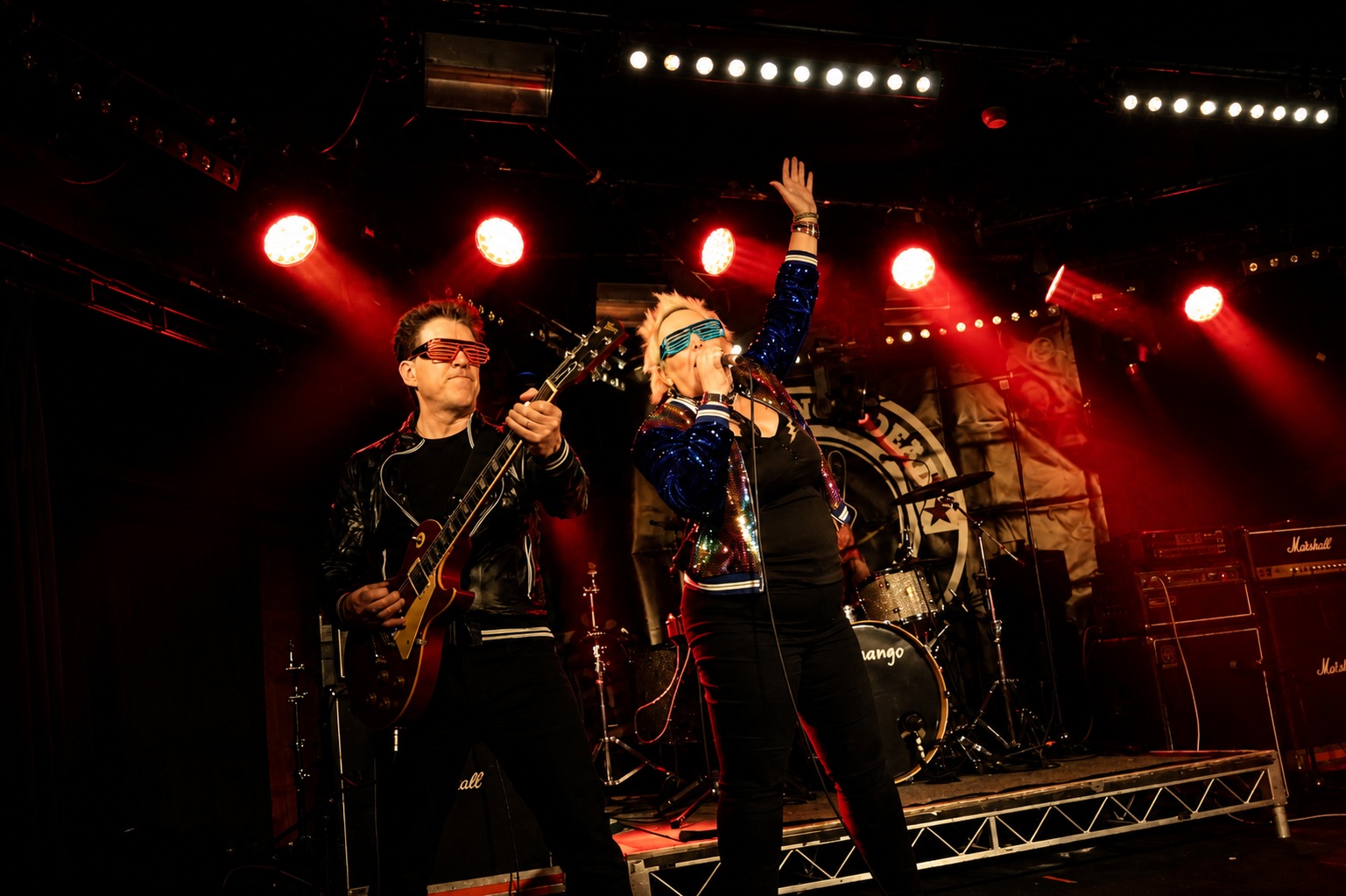
CASSIDY PARIS
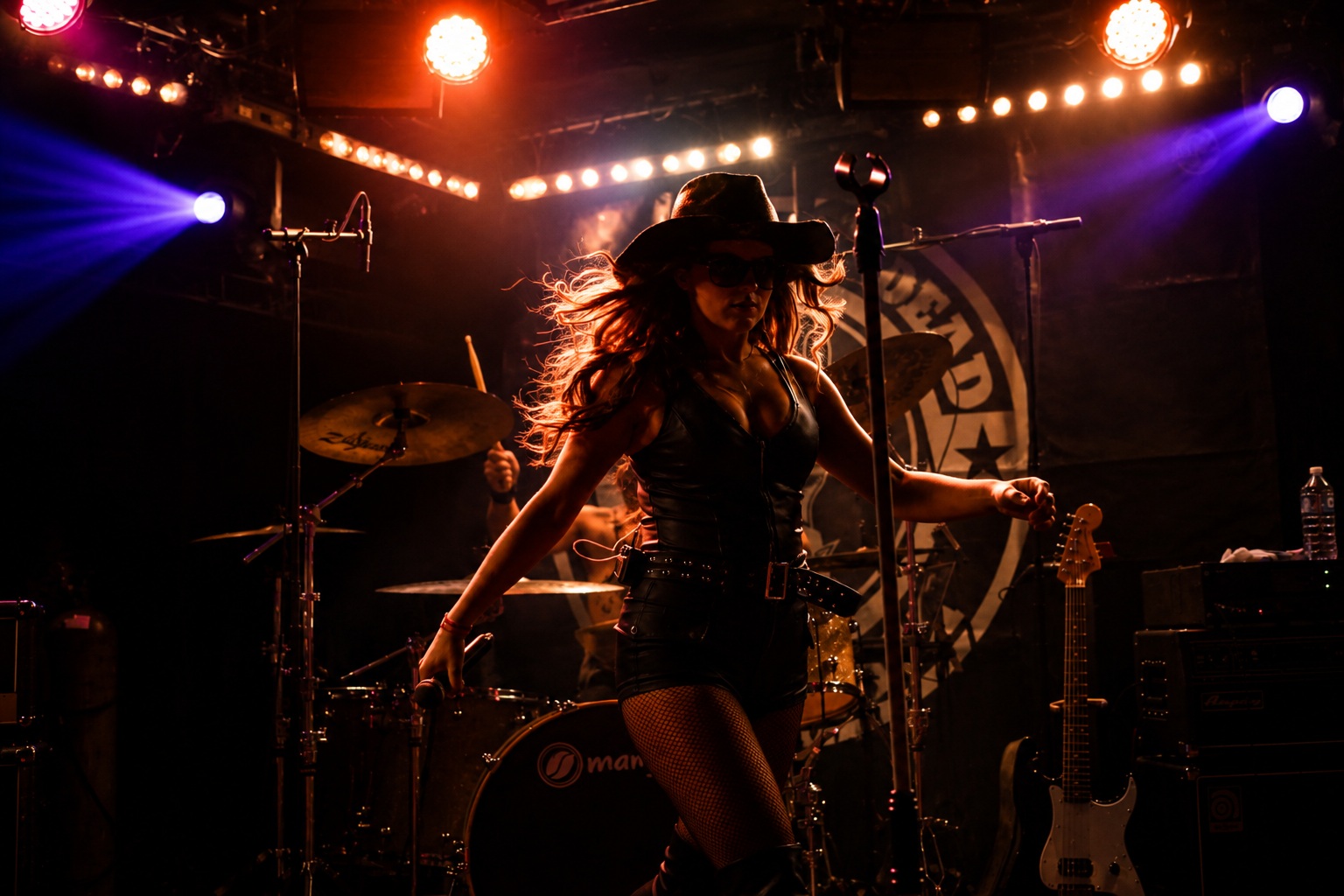
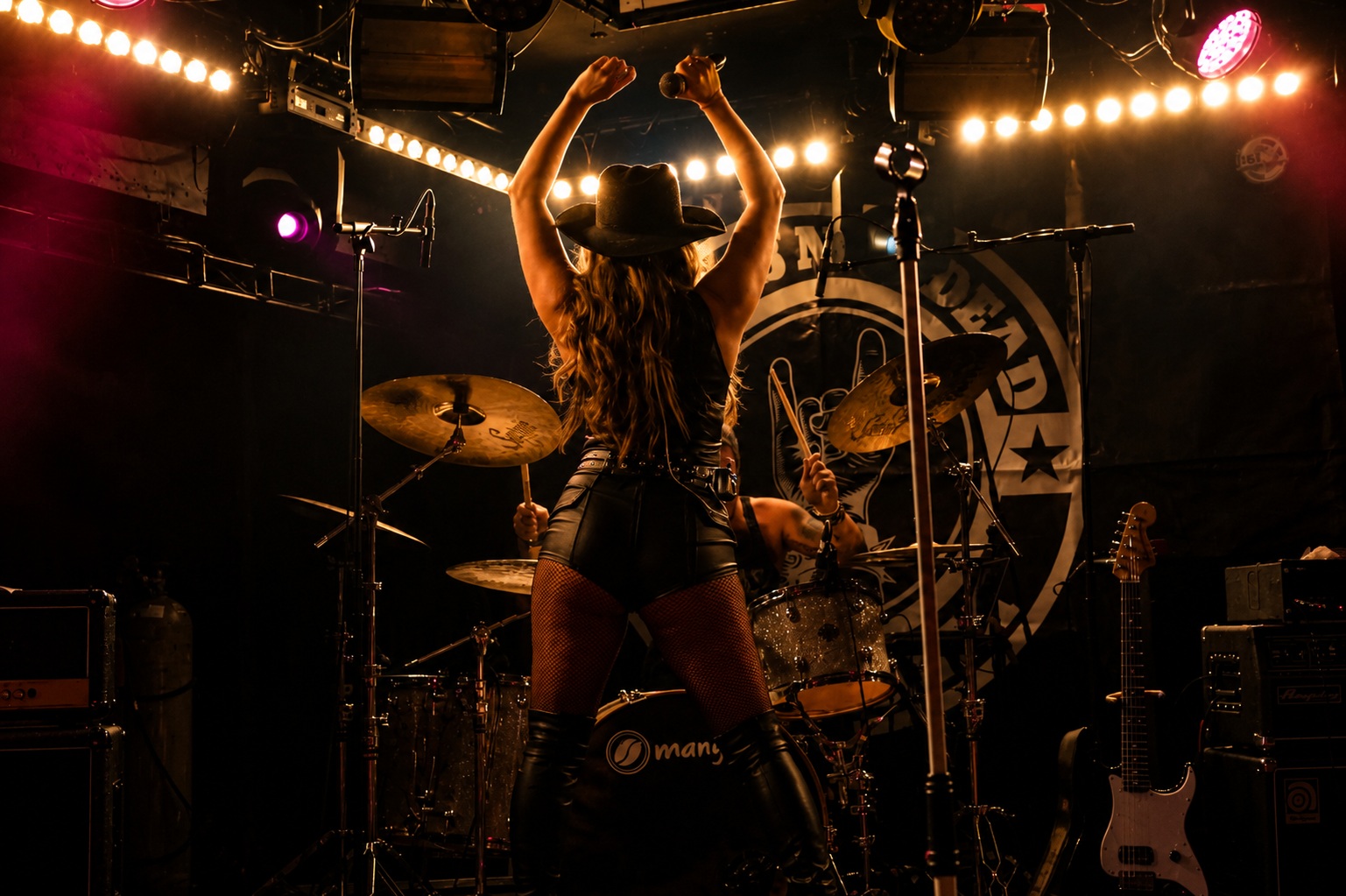
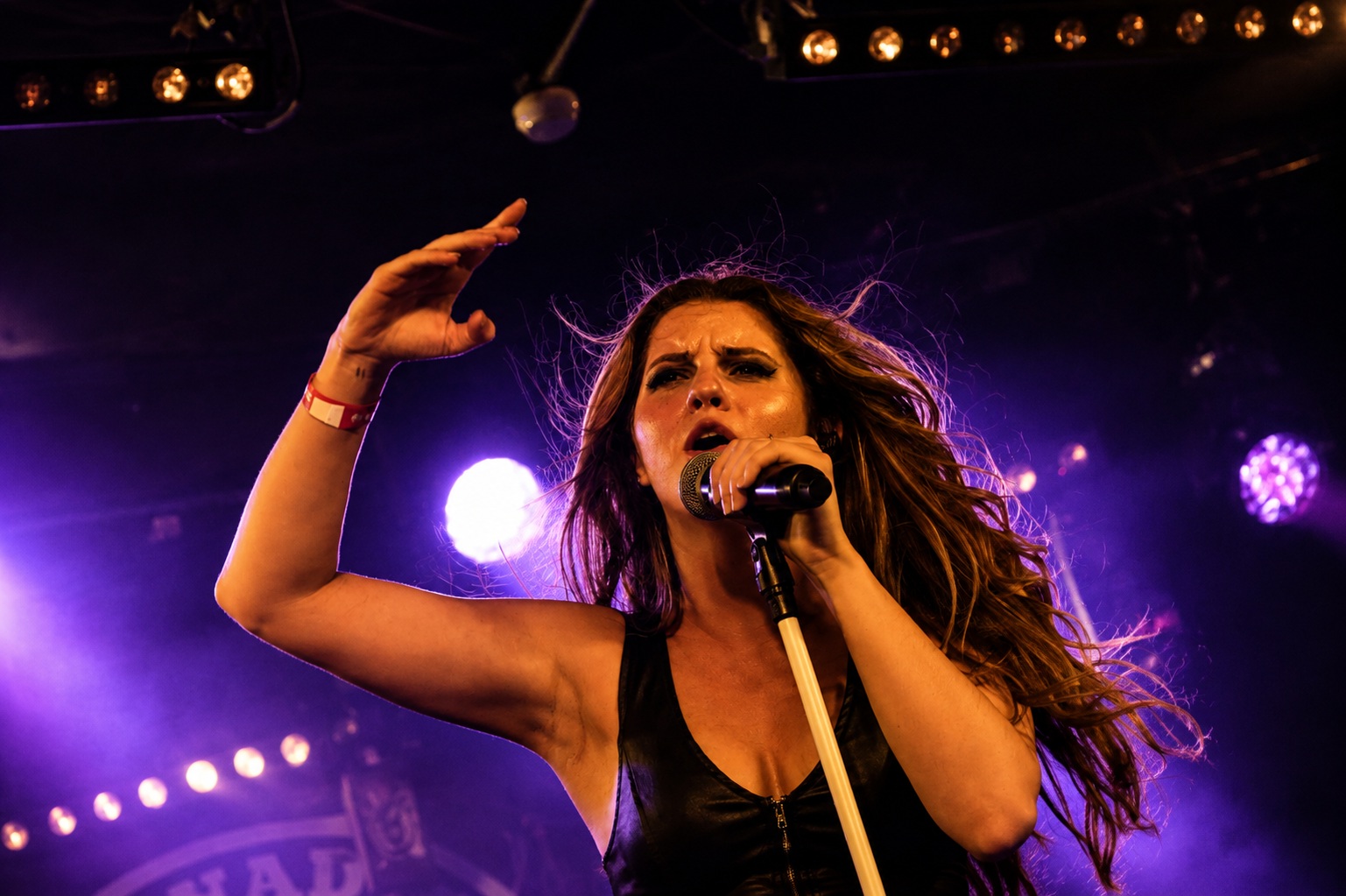
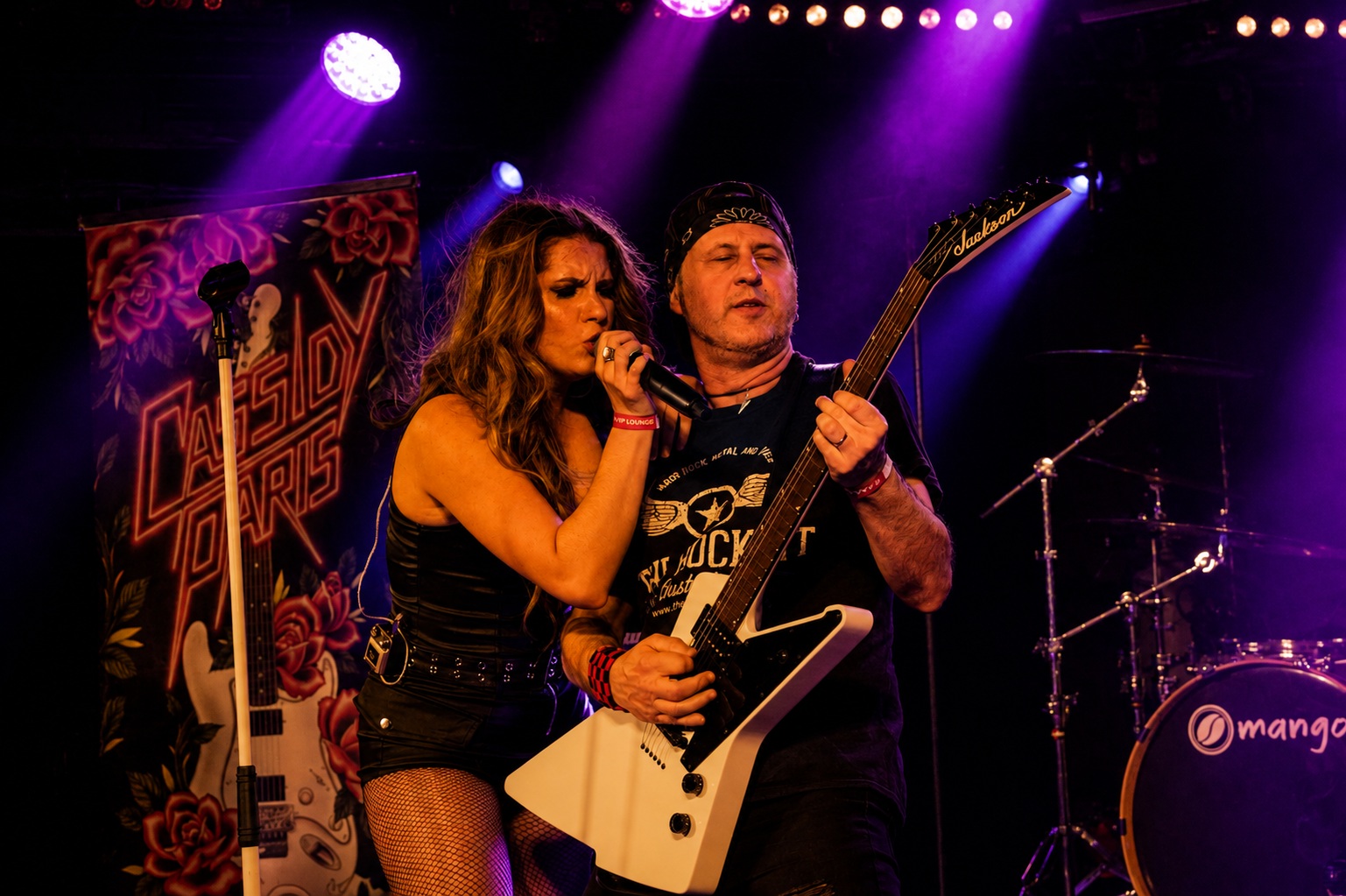
And then there was Cassidy Paris. I’ve watched Cassidy’s journey for years, but Friday night felt different. This was her first Australian show following her European touring and Monsters of Rock appearance, and the only Australian performance announced for 2026. She came home to Melbourne not as somebody wondering whether she could compete on the international stage, but as somebody who already has.
You could see it in the confidence, the command of the room and all those little movements and instincts that only come from playing show after show. Cassidy has always possessed the voice and the songs, but what we’re seeing now is an artist who increasingly understands exactly who she is onstage. That’s an important distinction.
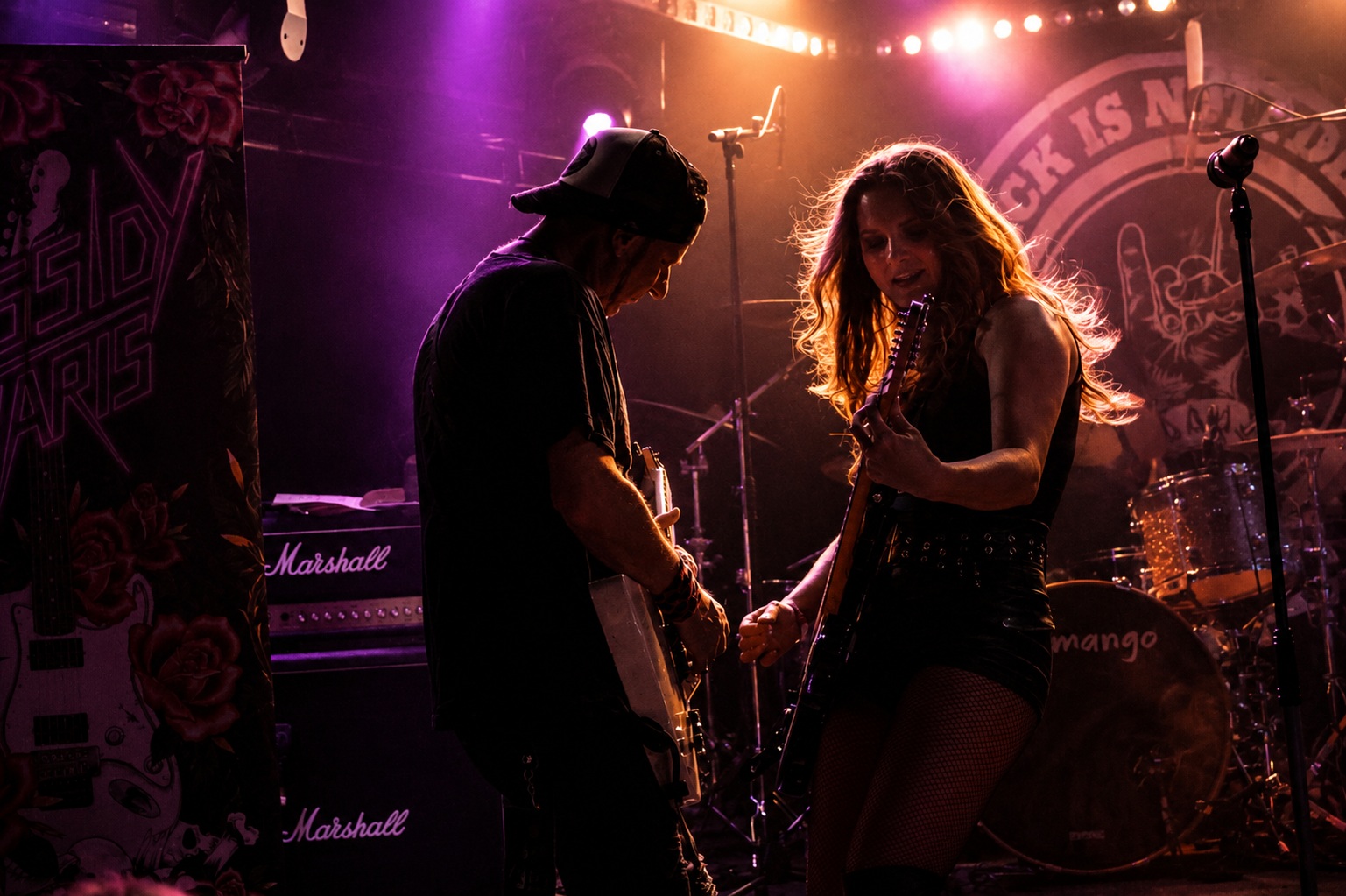
There’s plenty of classic melodic hard rock in Cassidy’s musical bloodstream, but what makes her important isn’t her ability to recreate the past. It’s her ability to take those ingredients — huge choruses, guitar-driven songs, attitude and melody — and make them belong to someone of her generation. That may ultimately be the most important story of the entire festival, because rock survives not simply because those of us who grew up with it refuse to let go. It survives because somebody younger picks it up and decides to make it theirs.
Friday night also had that wonderful looseness that only happens when musicians are among friends. The barriers between bands, audience and industry seemed to disappear. People were watching each other’s sets, musicians were talking to fans and old friends were finding each other across the room. It felt communal rather than competitive, and rock desperately needs more of that.
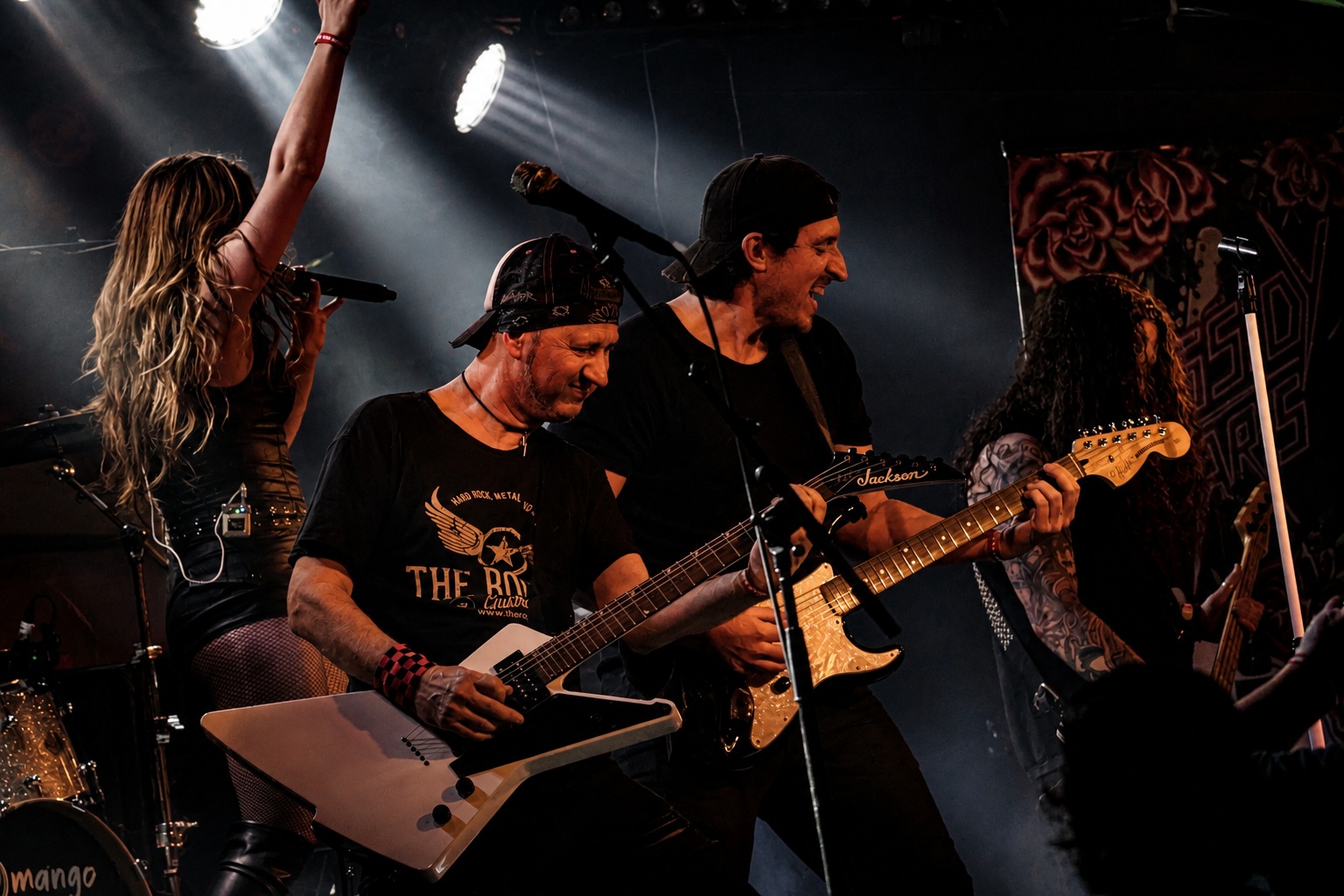
STILL FLYING THE FLAG
By the end of Friday night, I realised that I’d spent a lot of time looking around the room. Everywhere I looked was another part of the story. There was someone I’d known years ago, someone who’d travelled interstate, someone wearing the shirt of another Australian band, someone photographing the show and someone talking excitedly about a band they’d just discovered. Then there were those people who had apparently decided decades ago that rock and roll was going to be part of their life and had simply never changed their mind.
After years living away from Melbourne, that affected me more than I expected. We talk endlessly about “the music industry”, but nights like this remind you that music existed long before anybody turned it into an industry. At its best it’s a community. It’s friendship and shared history. It’s stories and ridiculous road trips, bands helping bands, promoters taking chances and people buying tickets because they understand that scenes only survive when somebody actually turns up. Friday night had all of that.
There was something particularly appropriate about it happening in St Kilda too, in a room with so much rock history of its own. Rock Is Not Dead was advertised as bringing independent Australian artists together to celebrate Australian rock and hard rock, but by the end of Friday night that description seemed almost inadequate. What it really celebrated were the people who keep Australian rock alive.
Karly Jewell brought the songs and the heart; Empress + Aces brought melody, power and a glimpse of where modern Australian rock can go; Riff Raiders brought riffs, sweat and the glorious uncomplicated joy of rock and roll; and Cassidy Paris showed us what can happen when Australian talent gets the opportunity to take that music out into the wider world and then brings everything it has learned back home. And Shane brought them all together.
Maybe that’s the real lesson. Rock isn’t kept alive by Spotify numbers, algorithms, industry forecasts or people arguing online about whether guitar music is relevant. It’s kept alive in rooms like this, by bands who still believe, promoters prepared to take the risk, friends who support friends and people willing to travel halfway across the country because something matters to them.
And it’s kept alive by that bloke you haven’t seen in fifteen years who suddenly appears beside you at the bar looking slightly older, wearing another black band shirt and still talking about music with exactly the same fire in his eyes. It’s not until you have been talking for ten minutes that you notice it’s a vintage Rockpit T-Shirt. It’s enough to bring a lump to your throat.
Rock Is Not Dead?
After Friday night in Melbourne, I’m not sure it has ever felt more alive.