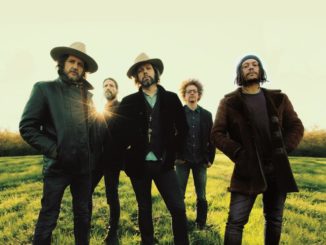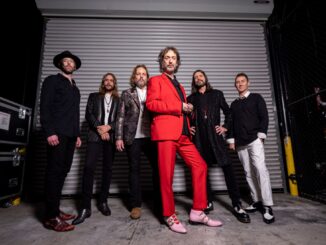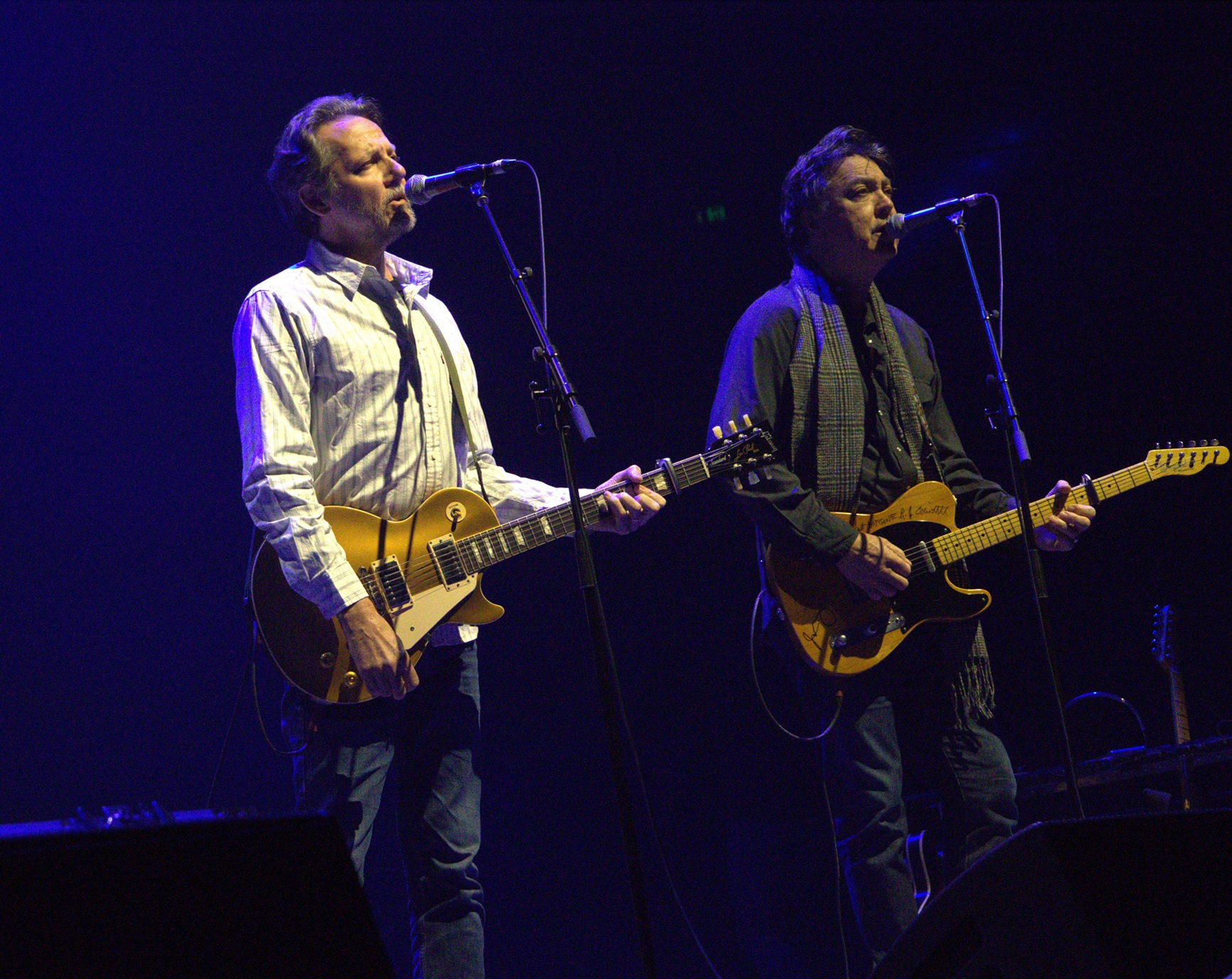
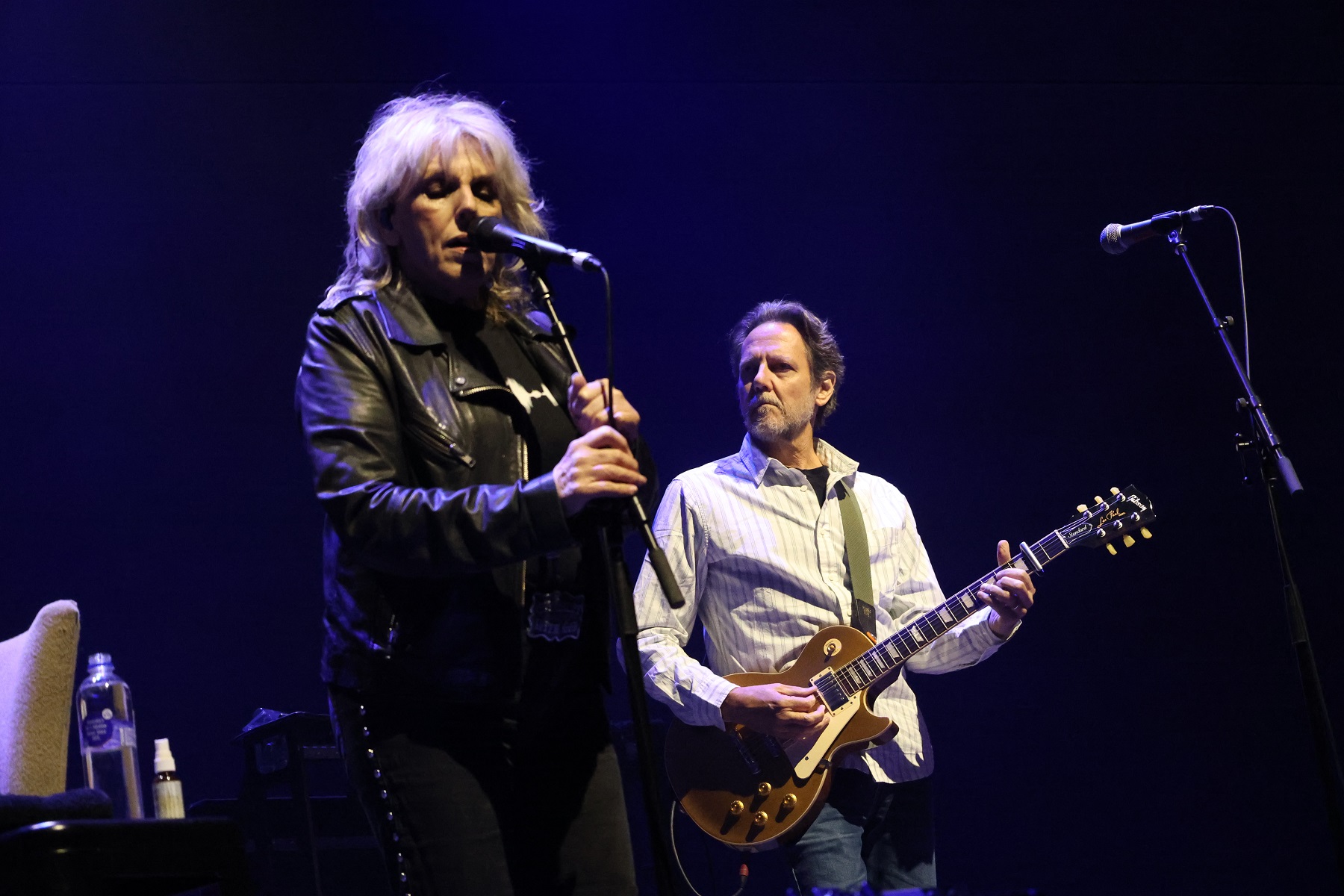
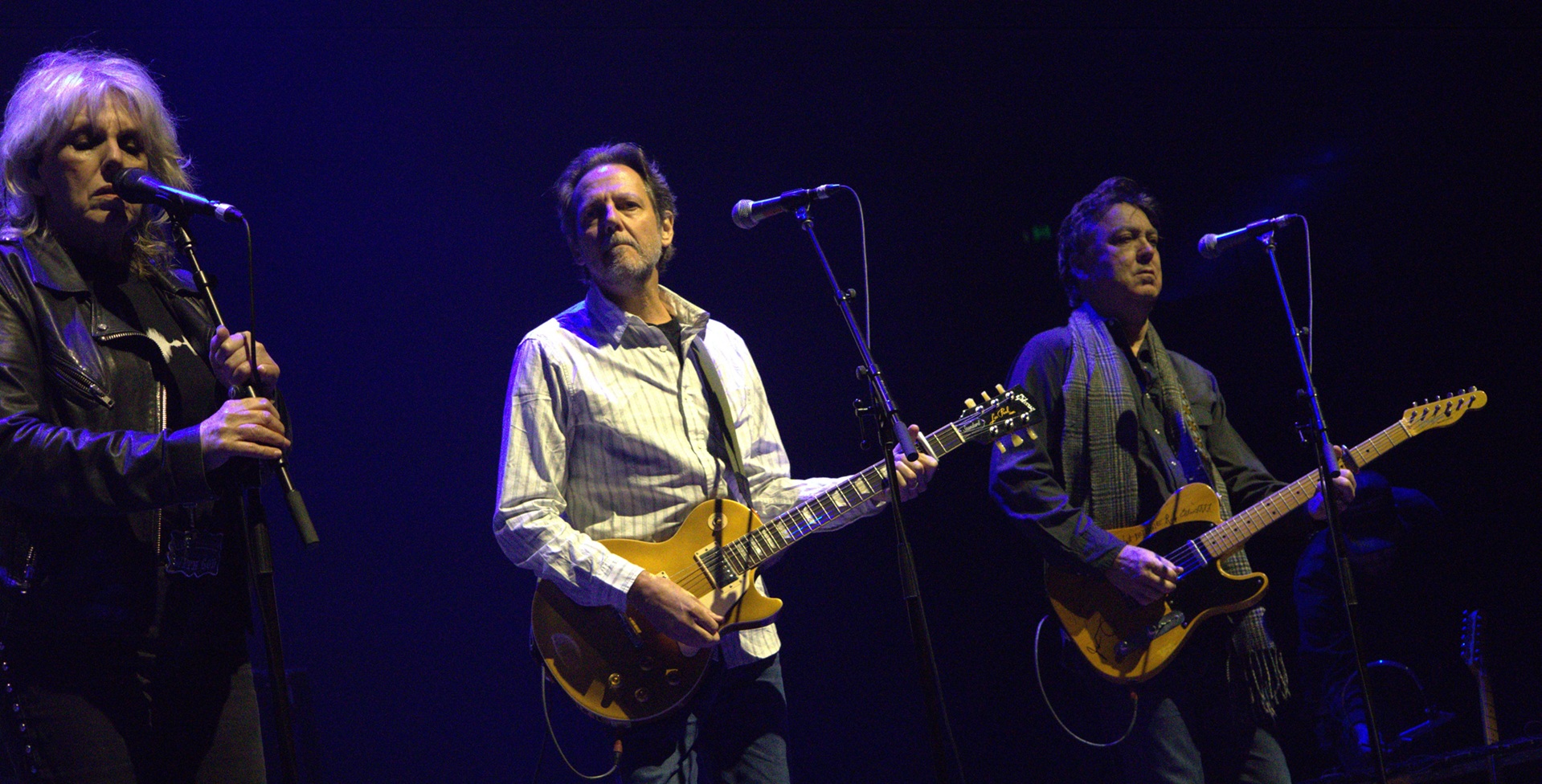
Marc Ford is an American blues-rock guitarist, songwriter and record producer. He is a former guitarist of The Black Crowes, former lead guitarist of The Magpie Salute and the leader of his own bands: Burning Tree, Marc Ford & The Neptune Blues Club, Marc Ford & The Sinners, Fuzz Machine, and Jefferson Steelflex. Back in September 2025 he visited Australia to play lead guitar with Lucinda Williams and her band, one of his many collaborations. He was awarded a Grammy and an NAACP Image Award for his work with Ben Harper and The Blind Boys of Alabama on ‘There Will Be a Light’. Apologies to Marc for this taking so long to post, with a hardware crash the day after we spoke we never thought we would retrieve it, but here we are brought back to life via some forensic IT!
Busier than ever, Marc is producing a number of projects and has a new solo album in the can, but we might have to wait for that album as he continues to tour with Lucinda Williams and is currently recording as part of her band. Marc Ford has always been right up there with my very favourite guitarists, rooted in Blues but so incredibly versatile. He has an incredible tone that is fat yet bright, and not too fuzzy and not to clean. He can make the guitar speak like some of my favourite players over the years: Peter Green, Derek Trucks, Warren Hayes and Robben Ford; and his presence always lights up a stage
I first saw Marc play guitar way back in 1990 when his band, Burning Tree, supported The Dogs D’Amour on their first and only tour outside of the US. It was just a couple of months after I’d seen The Black Crowes play for the first time (they also supported The Dogs D’Amour.) Next thing you knew the threads were drawn together and Marc had joined The Black Crowes, and what a difference he made to those live shows!
Marc continued through ‘Southern Harmony’, ‘Amorica’ and ‘Three Snakes and One Charm’, before taking a different route. Since then he’s been responsible for, or part of, some of my favourite albums, whether his own or in collaboration with others. We caught up with Marc for a quick chat on a cold Australian winter day before the Sydney show…
You’re back in Australia—how’s it been so far? Enjoying the shows?
Yeah, it’s going good.
It’s great to see you out here with Lucinda Williams. How did that come about?
Doug Pettibone got a hold of me. He’s been playing guitar with Lucinda for years, and when Stuart Mathis needed to leave, they needed someone to step in. Lucinda doesn’t play guitar, so they needed two players to cover everything.
Doug and I had played together in Ephraim Owens’ band the year before, so he just gave me a call. I’d known Lucinda from years back in L.A., so it felt like a natural fit. I’m a big fan—it’s great to be able to play those songs.
You’ve played with so many great artists—Ben Harper, Gov’t Mule… your tone is incredible. Albums like Fuzz Machine have really stood the test of time and is selling for a small fortune now on Discogs.
That record seems to have aged pretty well! I heard it wasn’t worth much a few years ago, so that’s funny.
It’s going for serious money on vinyl now! That record was originally recorded in 2007—do you have a lot of material like that sitting in the vault?
Yeah, there’s always stuff. I’ve got a record finished and recorded right now, but with the schedule with Lucinda, there’s not really enough time to plan a proper release and support it the way you should.
So at the moment I’m focusing on playing and recording with her—we’ve been doing a lot of work, and there’s more coming.
You’ve had such a varied career. Going back to the early days—who were your influences when you first picked up the guitar?
Before I knew any better, Frampton Comes Alive! was huge for me. Before that I was into Elton John—stuff that wasn’t really guitar-based.
But once I got a guitar, that record flipped a switch. Then I got into The Kids Are Alright film and a Hendrix documentary on VHS—I’d just watch those over and over. That music resonated way more than what was happening around me at the time, which was mostly glam metal. I just wasn’t into it.
So you found your own scene?
Yeah, there were a couple of clubs in L.A. where bands that didn’t fit that mold would play. We all kind of gravitated there.
Greg Rzab and I were really close—he went off with Lenny Kravitz, I went with The Black Crowes. Tom Morello’s band came out of the same scene too. It was a potent time. None of us knew what we were doing, but we had our thing and we fed off each other.
Those early Black Crowes albums—Southern Harmony, Amorica, Three Snakes—are still favourites for a lot of fans. Why did you step away?
It wasn’t just one thing—it was a lot of things. Touring becomes normal, but it’s not everything.
At a certain point, my life wasn’t the way I wanted it to be, so I changed it.
After that came things like The Neptune Blues Club, which felt looser and more organic.
Yeah, that was about reconnecting. I’d been on the road so long I didn’t really have a local scene anymore.
I linked up with some players in Long Beach and we just started jamming—and it clicked straight away. I hadn’t really been writing for a long time, but once we started, songs just came out. That whole thing was really joyful… and kind of a happy accident.
The Magpie Salute was another chapter—how different was that dynamic to The Black Crowes?
Completely different. The brothers weren’t there, and that’s really the nucleus of The Black Crowes—that volatile relationship.
Without that, I got to know Rich Robinson in a different way. We worked together differently. It was great—we made good music, had some good times. It just didn’t last.
Do you have a favourite period of your career?
There are a few. Even the difficult times—when I look back, a lot of great things came out of them.
I wouldn’t want to go through some of it again, but I can appreciate what came from it.
If you could be a fly on the wall for the making of any album, what would it be?
I’d love to watch Hendrix work—just to see his process. He was so unorthodox in everything he did.
Even now, there’s still nobody quite like him.
And the big one—what’s the meaning of life?
I’ve been told to love one another.
A huge thanks to Marc for taking the time to chat before hitting the stage in Sydney. With new music waiting in the wings and plenty more touring ahead, it sounds like there’s still a lot more to come from one of modern rock’s most soulful and distinctive guitar voices.