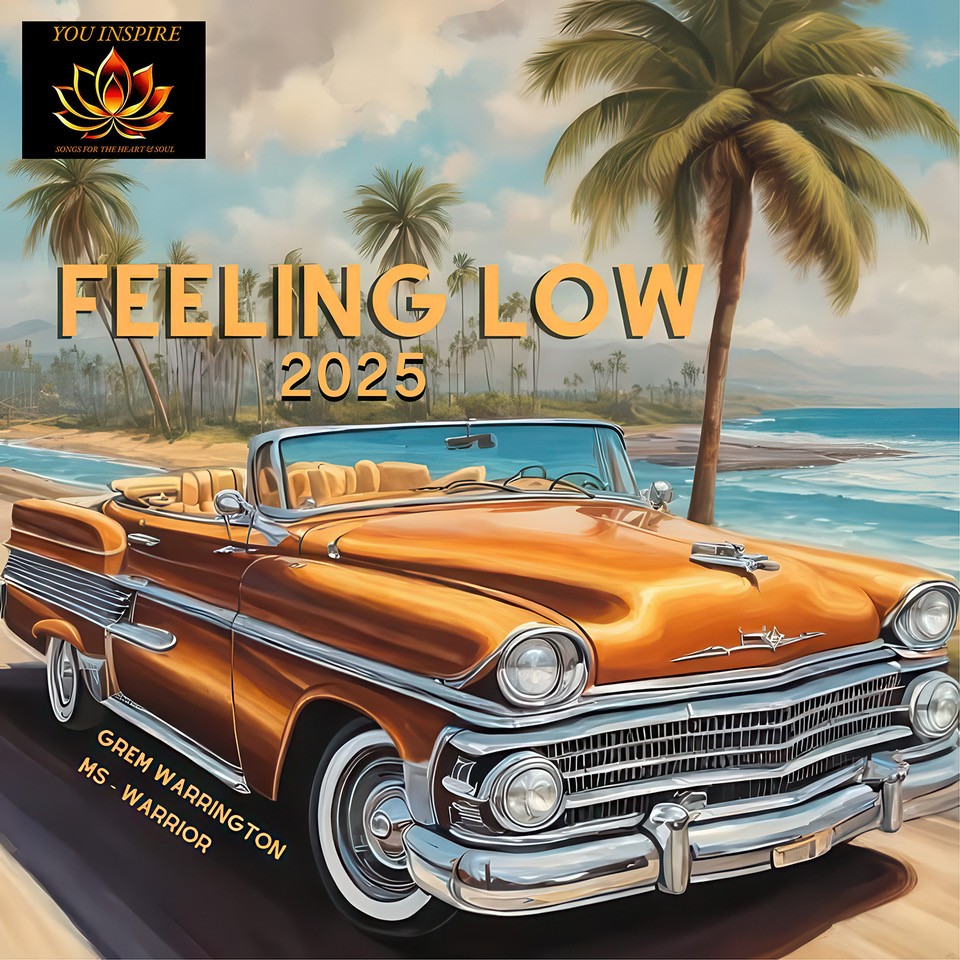
You hear Feeling Low and the first thing you notice is that nothing is trying too hard. There are no hooks with lights on, no overreaching chorus begging you to remember it. It’s built from modest parts—an acoustic strum, a murmured piano line, a vocal recorded like it was pulled out of a conversation, mid-thought. And that’s its strength. It doesn’t announce itself. It endures. From the opening line—“I’ve been down and now I’m feeling low”—you understand that this isn’t autobiography so much as shared confession. What follows is a slow, deliberate reckoning. The world described in Feeling Low isn’t apocalyptic, but it is exhausted. The fight isn’t against chaos, but against fatigue. The creeping erosion of spirit. The decay of purpose. And so the chorus—“Hard work can make a difference”—arrives not as a slogan, but as a lifeline. Not triumphant. Just honest. Grem Warrington’s voice carries the weight of lived experience, yes—but more importantly, it sounds like someone who has learned how to wait. There’s power in that kind of patience. The arrangement reflects it, too: the instrumentation breathes. The guitar solo doesn’t fly off the rails—it stays grounded. Even the bridge—“Make a difference, turn the page”—feels more like a statement left on a sticky note than shouted from a rooftop. Which is exactly why it matters.
This is a song that refuses spectacle. It has no interest in emotional theatre. It wants something quieter and harder: connection. The kind of solidarity that happens in hospital waiting rooms and long car rides. In Feeling Low, YOU INSPIRE aren’t telling you how to heal. They’re simply keeping you company while you try. It’s music as companion—steadfast, unflashy, and profoundly human. It doesn’t offer resolution; it offers recognition. The kind that doesn’t flinch from darkness but also doesn’t romanticize it. This is the sound of someone sitting beside you in silence, not trying to fix anything, just staying present. In a world saturated with noise and hollow uplift, that kind of presence is radical. And quietly, perhaps even defiantly, Feeling Low becomes less about despair and more about durability—about the quiet kind of hope that asks for nothing but another breath, another step, another day.